Jetpack's built-in visitor analytics. It records page views, referring sites, search terms, and outbound link clicks, and also carries the shared visitor-tracking library used by Jetpack Instant Search and WooCommerce Analytics.
Service URL: automattic.com (opens in a new window)
tk_ai
Stores a randomly-generated anonymous visitor ID so Jetpack's Tracks analytics library can link tracking events to the same visitor.
Session in wp-admin; up to 5 years on the frontend
tk_qs
Queues analytics events for Jetpack's Tracks library so none are lost if the page closes before they can be sent.
30 minutes
tk_tc
Used once per page load to work out which cookie domain the Tracks library should use, then removed as soon as it's read back.
Session (deleted immediately after use)
tk_aip
Stores a list of anonymous visitor IDs so they can be merged into one identity once a visitor is recognized.
Up to 5 years





















Comments
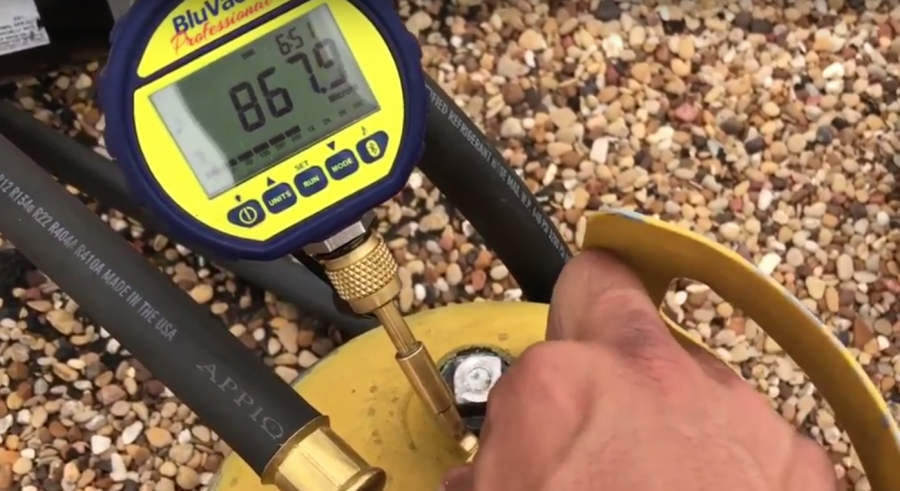
You brought up such a good point about how just because a gauge is giving a certain reading doesn’t necessarily mean it’s right. I agree that you should know how to check it to make sure nothing negative happens as a result. If your gauge does end up having an issue it would make a lot of sense to me to find a repair service that specializes in something like that. A precise instrument requires precise care, in my opinion.
Report comment
You brought up such a good point about how just because a gauge is giving a certain reading doesn’t necessarily mean it’s right. I agree that you should know how to check it to make sure nothing negative happens as a result. If your gauge does end up having an issue it would make a lot of sense to me to find a repair service that specializes in something like that. A precise instrument requires precise care, in my opinion.
Report comment
Hey Buddy, You need to find mentors to help you. They can be at supply houses, factory reps, guys you work with. Just remember everyone has their own misconceptions. On your existing question: using Nylog on your fittings. Using a dedicated set of vacuum hoses (clean, no oil) goes along way to eliminate problems. As far as fixing the internal vacuum gauge–good luck. just buy a new one at Trutechtools use getschooled for 8% discount.
Report reply
Hey Buddy, You need to find mentors to help you. They can be at supply houses, factory reps, guys you work with. Just remember everyone has their own misconceptions. On your existing question: using Nylog on your fittings. Using a dedicated set of vacuum hoses (clean, no oil) goes along way to eliminate problems. As far as fixing the internal vacuum gauge–good luck. just buy a new one at Trutechtools use getschooled for 8% discount.
Report reply
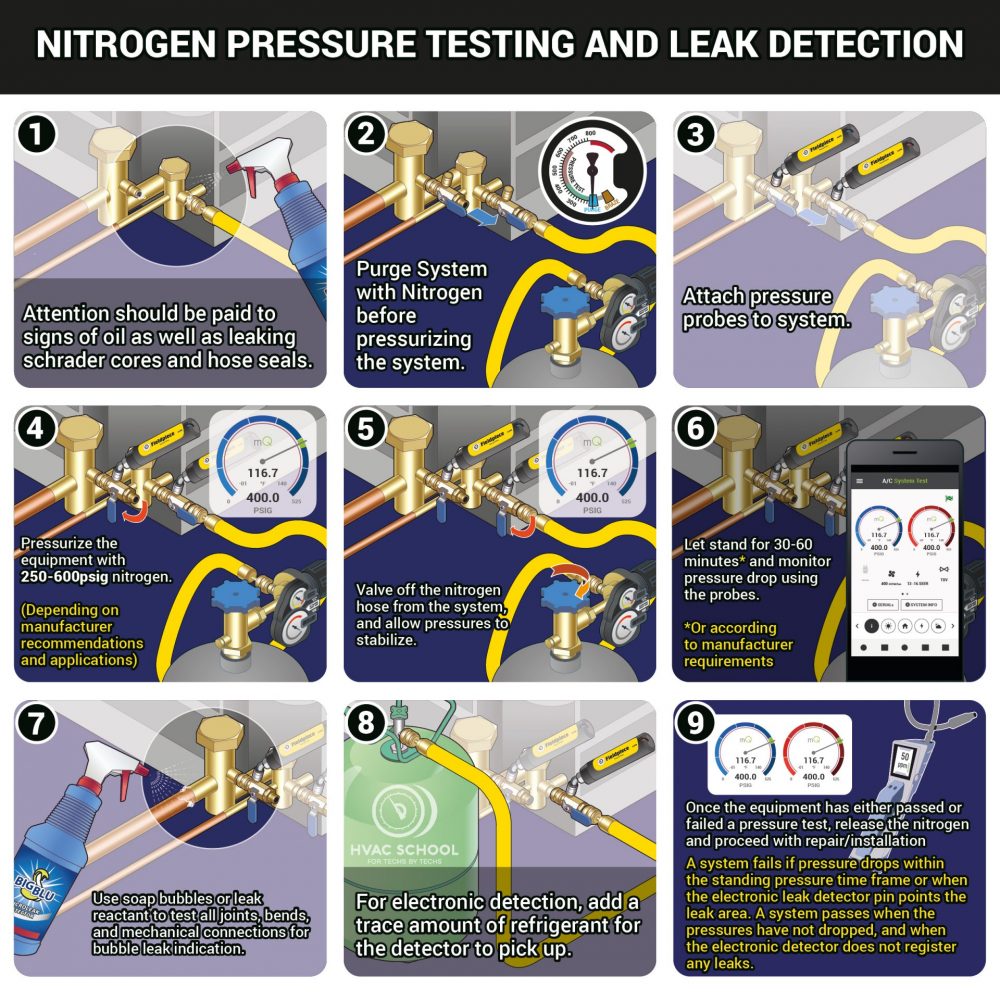
Is there a good way to vacuum out contaminants without an expensive gauge? Already did nitrogen near test.
Report comment
Is there a good way to vacuum out contaminants without an expensive gauge? Already did nitrogen near test.
Report comment
To leave a comment, you need to log in.
Log In