
BACK
 Evaluating HVAC Tape Performance Under High Heat and Static Load (Part 1)
 How Attic Designs Need to Account for Heat and Moisture
 Why the Sauna Feels Hotter When You Throw Water on the Rocks
 Preventing Heat Illnesses in the BLAZING Summer Heat
 Using Heat & Nitrogen In Vacuum
 Second Law of Thermodynamics
 Air Flow and Ice – A Thought Experiment
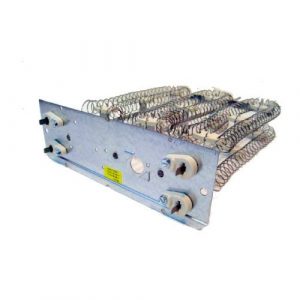 An Electric Heat Mistake
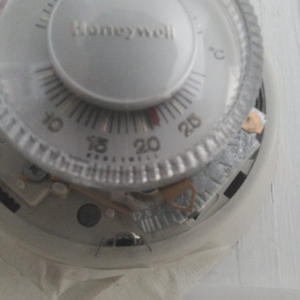 The Good Old Heat Anticipator
 The PATH to High Performance HVAC w/ David Richardson
 The Basics of Moving Heat (Thermodynamics)
#heat
Tech Tips:
When sealing ductwork or repairing HVAC insulation, the tape you choose dictates the long-term integrity of the system. Temperatures fluctuate wildly in attics and mechanical rooms, and the tape must be able to withstand these environments without degrading. To better understand how different professional-grade adhesives actually perform under elevated temperatures, we decided to put them […]
Read more
This tech tip was heavily inspired by one aspect of Rick Sims’s 2021 HVACR Training Symposium session titled “Conductsation.” The entire presentation is worth a watch, but the advice in “Conductsation” and this tech tip are tailored to hot, humid climates. The contents of this tech tip may NOT work for colder climates. Dr. Allison […]
Read more
I admit it, I’m a sauna guy now. The ones at the gym are pretty gross, so I got a small one at home because I guess I’ve missed sitting in attics or something. If you’ve ever sat in a traditional sauna, you know the drill: the heat’s already intense, and then you or someone […]
Read more
This tech tip about preventing heat illnesses covers information and resources from the Cleveland Clinic, the U.S. Centers for Disease Control and Prevention (CDC), the U.S. Occupational Safety and Health Administration (OSHA), and the National Oceanic and Atmospheric Administration (NOAA). HVAC School is NOT an official OSHA training resource, and although these safety tips are […]
Read more
In these tips and on the podcast, we talk a lot about the importance of deep vacuum. Pulling a deep vacuum using proper processes and tools is really the ONLY way to ensure that a system is clean, dry, and tight. Just for review, that means: Nitrogen purge, flow, and pressurize > Cores removed > […]
Read more
The second law of thermodynamics puts the first law into context and establishes entropy as a concept. We can simply define entropy as a state of disorder that can only increase or remain the same in natural processes. Processes in which entropy remains the same are reversible, but ones that result in an entropy […]
Read more
Imagine a glass of ice sitting on a table. Now, imagine you place a lid on the glass so that all the water and ice are contained in the glass. If the ice and water are well mixed, the water and ice will both be at 32°F because the ice is slowly changing state from […]
Read more
I started working as a tech when I was 17 years old, fresh out of trade school. My first winter out on my own, I went to a service call in an older part of Orlando, a part of town I had never worked in before. It was an especially cold winter that year, and […]
Read more
As a technician, you most likely know some customers who still have an oldie thermostat (you know, those old mercury bulb things, like the round Honeywell CT87 and such). Keep in mind that those usually have an adjustable heat anticipator. If you’re newer in the field, you may not have seen or worked with those […]
Read more
Videos:

Podcasts:
In this engaging session, David Richardson breaks down the concept of high-performance HVAC, offering a clear roadmap for industry professionals looking to elevate their craft. Richardson argues that the HVAC industry has long been focused on equipment rather than complete systems, leading to widespread inefficiencies. The average system delivers only about 57% of its […]
Read more
In this episode of HVAC School, Bryan talks to some apprentices about basic thermodynamics. That is the fancy scientific way of saying that we’re moving heat. The way we think of “hot” and “cold” is relative to our comfort. However, the scientific concepts of “hot” and “cold” are very different from our relative understandings of those […]
Read more